

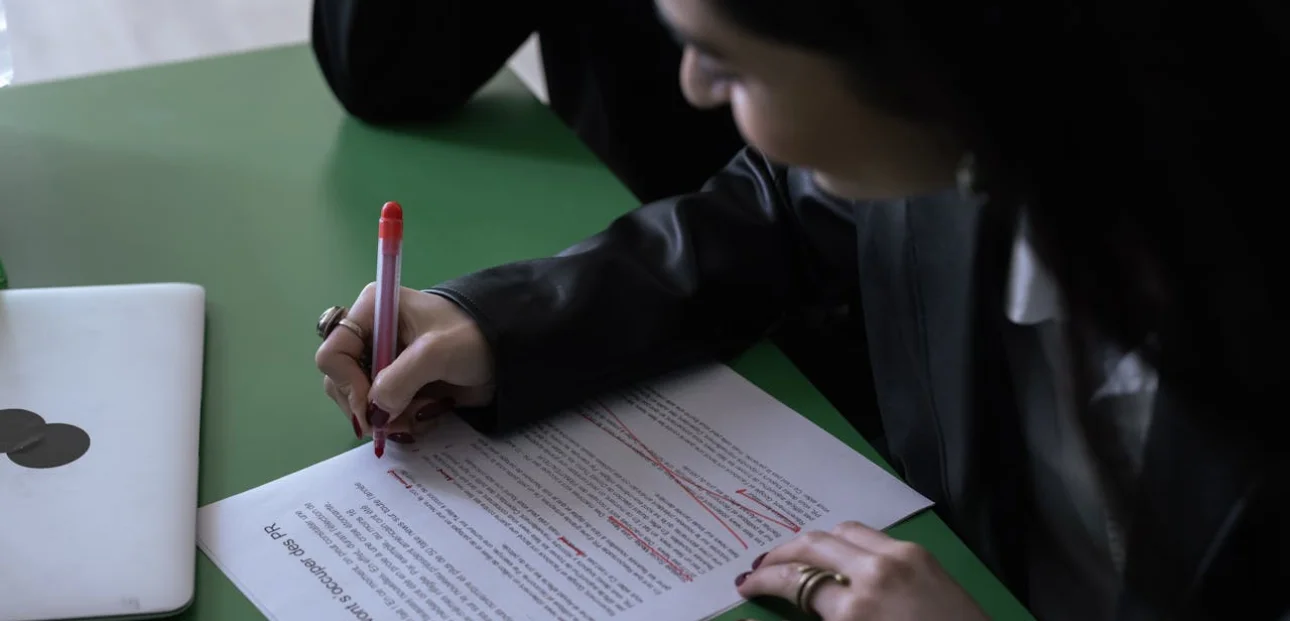
A press release in business is more than just an announcement, it’s a structured way to turn company updates into credible news that builds trust and visibility. In the UK market especially, businesses use press releases to communicate important milestones, launches, and achievements in a format that feels professional, media-ready, and easy for journalists or online platforms to pick up. From product launches to company expansions, a well-written press release helps shape how a brand is perceived and ensures its message reaches beyond its existing audience.
Understanding the Role of a Press Release in Business
In business, communication is not just about sharing updates, it is about shaping perception.
So, what is a press release in business?
It is a structured, news-style announcement that companies use to share important updates with the media, customers, and the wider public. Unlike advertising, it is written to inform, not to sell.
It takes business activity and turns it into something that feels credible, newsworthy, and worth paying attention to.
Why Businesses Use Press Releases
A press release helps a business control how its story is told.
Instead of scattered posts or informal updates, it creates a single, official version of the message. This is especially important in competitive markets like the UK, where trust and clarity influence decision-making.
It also extends reach beyond your existing audience.
A well-published press release can be picked up by journalists, published on news sites, and indexed by search engines, giving your message far more visibility than a standard post.
If you want structured PR support, explore our press release service.
Common Use Cases in UK Businesses
Businesses use press releases during key moments that carry meaning beyond day-to-day updates.
- Launching a new product or service
- Opening a new office or expanding operations
- Announcing partnerships or collaborations
- Sharing awards, recognition, or achievements
- Communicating leadership or organisational changes
Each of these situations signals growth, change, or credibility, which is exactly what makes them “newsworthy.”
Real Example: Product or Service Launch
Imagine a UK-based digital agency introducing a new SEO service.
If they only post it on social media, the reach is limited and short-lived.
But if they issue a press release, the announcement can be picked up by industry websites, appear in search results, and be shared across multiple platforms.
The difference is not the message, it is the distribution and authority it gains.
Learn more about SEO impact through our SEO service.
Real Example: Business Expansion
Now imagine a company opening a new office in Manchester.
This is more than just an internal update, it shows growth and stability.
A press release allows the business to frame this expansion properly, explaining why it matters, what it means for clients, and how it strengthens their presence in the market.
This builds trust and positions the company as actively growing.
How Press Releases Support Digital Visibility
Beyond media coverage, press releases also support SEO.
When published online, they create indexed pages, backlinks, and brand mentions that improve search visibility over time.
In 2026, this matters more than ever.
Because businesses are not only competing for customers, they are competing for attention across search engines, social platforms, and digital news spaces.
A press release helps connect all of these touchpoints into one consistent narrative.
Why It Still Matters for Modern Businesses
At its core, a press release is about control and credibility.
It allows businesses to communicate important updates in a structured, professional way that feels trustworthy and clear.
For UK businesses, this is especially valuable in a market where competition is high and attention spans are short.
If you want to start building stronger brand visibility, contact our team.
Because ultimately, businesses that communicate clearly are the ones that stay visible, and businesses that stay visible are the ones that grow.






Comments (0)
No comments yet. Be the first to comment.